Detroit Beat Guide To The Superstar Instrumental
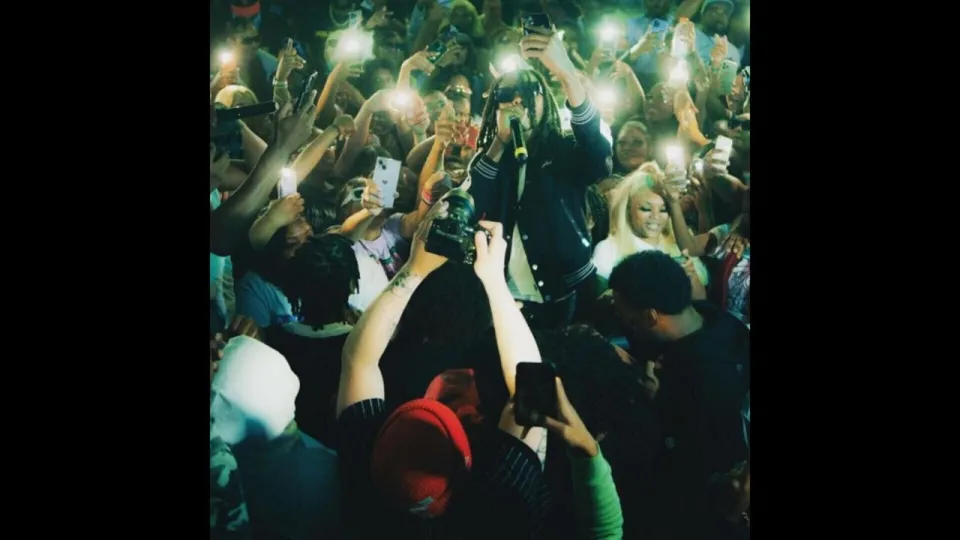
Video: [FREE] Babyfxce E x Rio Da Yung Og x Detroit Type Beat - “Superstar"
You can order the same kind of articles for your own video to boost it on YouTube and Google. Just message the Telegram bot @sat_sit_bot. It writes articles around your video, embeds the video and publishes them on popular niche websites (no ads). Free trial — 50 articles.
· based on the channel Flintana
Key takeaways
- The Superstar instrumental is a Detroit type beat at 99 BPM in B minor, built for Babyfxce E and Rio Da Yung Og-style vocals.
- A free MP3 lease costs $29.99, a WAV lease costs $39.99, and an unlimited license costs $89.99.
- Free use is limited to non-profit purposes; streaming, monetization, and distribution require a paid license.
- The beat is produced by Flintana and available for instant download through BeatStars.
- The instrumental includes a vocal tag that can only be removed with a purchased license.
A Detroit beat is a minimalist, high-energy instrumental style rooted in Michigan rap, typically featuring sparse piano or synth melodies, hard-hitting 808s, and fast hi-hat patterns that leave room for dense, punchy vocal deliveries. The "Superstar" instrumental by Flintana is a textbook example: a 99 BPM, B minor Detroit type beat designed for artists like Babyfxce E and Rio Da Yung Og. You can download the untagged version instantly via this BeatStars link.
What Defines The Detroit Beat Sound
Detroit beat production centers on restraint and bounce. Unlike trap subgenres that pile on layers, Detroit instrumentals often loop a single melodic idea—a piano riff, a filtered soul sample, or a simple synth line—and let the drums do the heavy lifting. The tempo usually sits between 95 and 105 BPM, which gives rappers space to ride the beat with conversational, off-the-cuff flows. The 808 bass is tuned to the key of the melody, and the kick pattern often syncopates against the snare, creating a push-pull feel that drives the track forward. Hi-hats are typically programmed with rapid rolls and triplet figures, but they never overwhelm the mix. In the "Superstar" beat, the B minor key provides a dark, slightly melancholic backdrop, while the 99 BPM tempo keeps the energy urgent without feeling frantic. This formula is why Detroit beats translate so well to viral freestyles and street singles alike.
Superstar Beat Specs And Production Details
The "Superstar" instrumental is built for immediate use by rappers who favor the Detroit style. It runs at 99 BPM in B minor, a key and tempo combination that suits both reflective and aggressive deliveries. The beat is produced by Flintana, a channel known for Flint and Detroit type beats, and it is tagged as a free download for non-profit use. The structure follows a standard rap format: an intro, a main loop, a breakdown section, and an outro, giving artists clear entry points for verses, hooks, and ad-libs. The melodic elements are sparse but memorable—likely a piano or synth motif that repeats with subtle variations—while the drum pattern leans on punchy kicks, snappy snares, and rolling hi-hats. The 808 glides between notes, anchoring the low end without muddying the mix. Because the beat is mixed with headroom, vocals can sit on top without heavy EQ carving.
Licensing Options For The Superstar Instrumental
Licensing determines how you can release a song recorded over the "Superstar" beat. Flintana offers three tiers through BeatStars:
- MP3 lease — $29.99. This grants you the tagged MP3 file and typically covers distribution up to a certain stream count or revenue threshold. Check the license terms for exact limits.
- WAV lease — $39.99. You receive the untagged WAV file, which is higher quality and preferred for professional mixing and mastering.
- Unlimited license — $89.99. This removes most restrictions on streams, monetization, and distribution, making it the best choice for artists planning a serious release.
All purchases are delivered instantly after checkout. The free version of the beat is for non-profit use only; uploading to Spotify, Apple Music, YouTube Music, or any other streaming platform requires a valid license. Monetized YouTube videos and commercial releases are also not covered by free use. If you already released a song using the beat without a license, you can still purchase the correct license retroactively.
Common Questions About Using This Detroit Beat
Artists often have practical concerns before recording over a type beat. One frequent question is whether the vocal tag can be removed. The tag—a producer voice stamp—only disappears when you buy a lease or unlimited license. Another common issue is whether a lease covers YouTube Content ID. Most standard leases do not include Content ID registration; the producer retains the copyright to the beat, and you are granted a license to use it. If you plan to monetize YouTube videos, you need a lease that explicitly permits monetization, or an unlimited license. A third concern is whether you can release the song on Spotify and Apple Music under your own artist name. Yes, but only with a paid lease—free use does not permit distribution. Finally, if you want to collaborate with another artist using the same beat, each artist typically needs their own license unless the lease allows sublicensing. Always read the license terms or contact the producer directly for clarification.
How To Get The Most Out Of A Detroit Type Beat
Recording over a Detroit beat requires a delivery that matches its pocket. Start by writing to the tempo: at 99 BPM, you have room for conversational bars, but you can also double-time certain phrases for emphasis. Keep your vocal chain simple—compression, slight saturation, and a short reverb—so the dry, punchy character of the beat shines through. Because the instrumental is sparse, ad-libs and background vocals can fill the space without cluttering the mix. If you are mixing yourself, high-pass your vocals around 100 Hz to avoid clashing with the 808, and use a moderate attack on your compressor to preserve the transient punch of consonants. For mastering, aim for a loud but dynamic master that still lets the 808 breathe; over-limiting will kill the bounce that defines Detroit music. Finally, consider the arrangement: the beat has clear sections, so map your verses and hooks to those transitions for a professional-sounding track.
Useful Links
Final Thoughts On The Superstar Detroit Beat
The "Superstar" instrumental is a well-crafted example of the Detroit beat style, with a tempo and key that suit Babyfxce E and Rio Da Yung Og-type flows. Flintana, the channel behind the beat, provides clear licensing options and instant delivery, making it easy for artists to move from idea to release. Whether you are recording a freestyle or a full single, understanding the license terms ensures you can distribute and monetize your music legally. For anyone exploring Detroit rap production, this beat offers a solid foundation. To get the untagged files and support the producer, visit the BeatStars page and choose the lease that fits your release plan.
Source: [FREE] Babyfxce E x Rio Da Yung Og x Detroit Type Beat - “Superstar" · Markdown version
Questions & answers
Is the vocal tag on the Superstar beat copyright-free?
The vocal tag is a producer watermark, not a separate copyright issue. It is removed only when you purchase a lease or unlimited license. Using the tagged version for non-profit practice is allowed, but releasing it commercially without a license is not.
Can I release my song on Spotify and Apple Music with a WAV lease?
Yes, a WAV lease typically permits distribution on streaming platforms, but you must check the specific terms for stream limits and revenue caps. The $39.99 WAV lease from Flintana covers standard distribution, while the unlimited license removes most restrictions.
Does the lease include YouTube Content ID registration?
Most type beat leases do not include Content ID registration; the producer retains the copyright. If you plan to monetize YouTube videos, ensure your lease explicitly allows monetization, or purchase the unlimited license. Content ID is usually handled by the producer or a distributor.
Can I use this beat for free if I am not making money?
Yes, free use is allowed for non-profit purposes only. This means you can record and upload a song for practice or promotion as long as you do not monetize it or distribute it to streaming platforms. Any commercial release requires a paid license.